
How We Develop a Single-Product Campaign: The Sharing Box
From the sharing occasion to the last piece: a creative breakdown of the Sharing Box and rock-paper-scissors concept.
A campaign for one meal starts with why someone would choose it, then finds a situation the audience can understand. In the Sharing Box concept, eating with friends gave the story its setting, and the last-piece question gave the product a role in the action. This article explains the creative reasoning and review process rather than reporting commercial results.
01 Start with the product and occasion before the joke
Write a practical product description: contents, how it is eaten, and the occasion it suits. Identify what viewers should understand even if they forget the dialogue. For a Sharing Box, showing packaging alone is insufficient; the group sharing the meal should be clear.
Turn that into a brief: make the product understandable, show the sharing occasion, and build a short situation connected to it. Ask whether the same story could work without the meal. If it could, the connection between action and product may need strengthening.
02 Build the situation around the last piece
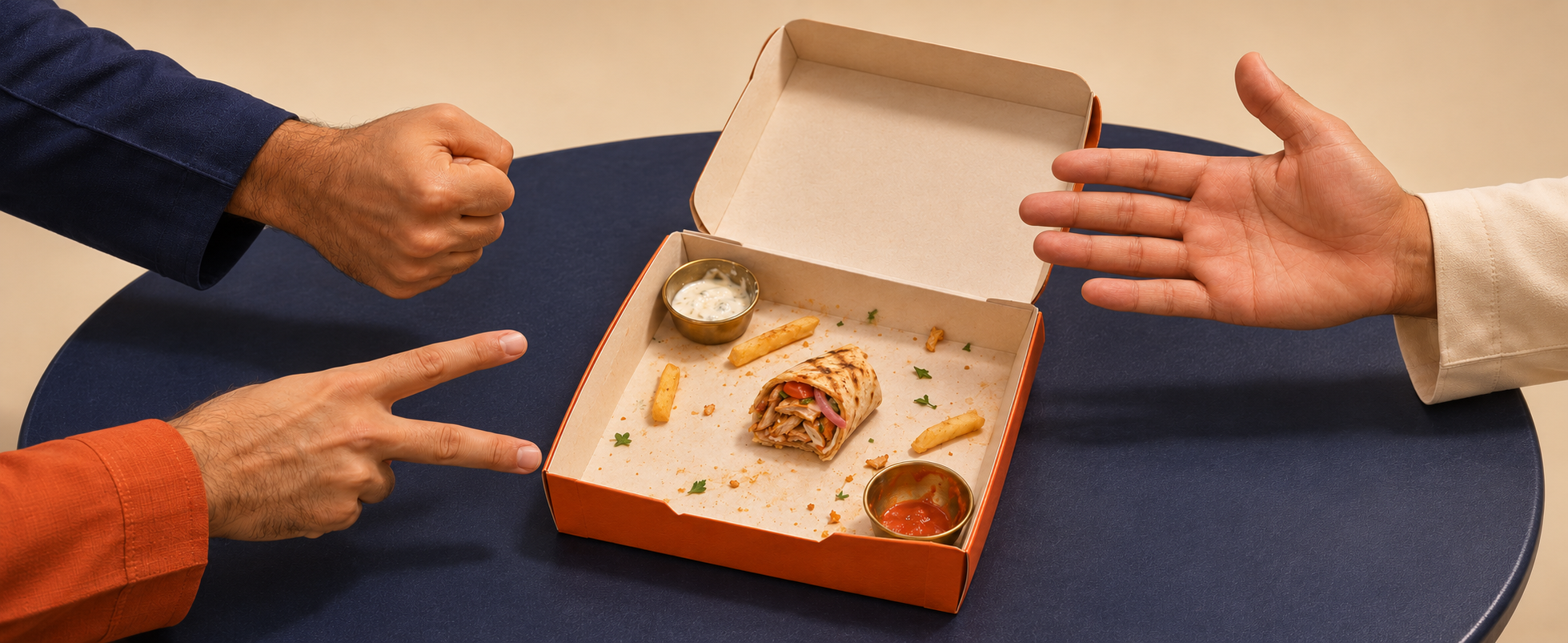
The idea uses a simple moment: friends share the meal, then more than one person wants the last piece. The action pauses and rock-paper-scissors settles the question. The game grows from the way the product is eaten, connecting the campaign line to the situation rather than attaching it to an unrelated ad.
Review scene clarity: did viewers see the product before the reactions take over, understand why the group stopped, and recognize the final piece? For an execution led by visuals and music, the sequence must carry the meaning without a lengthy explanation.
03 Give each campaign asset its own job
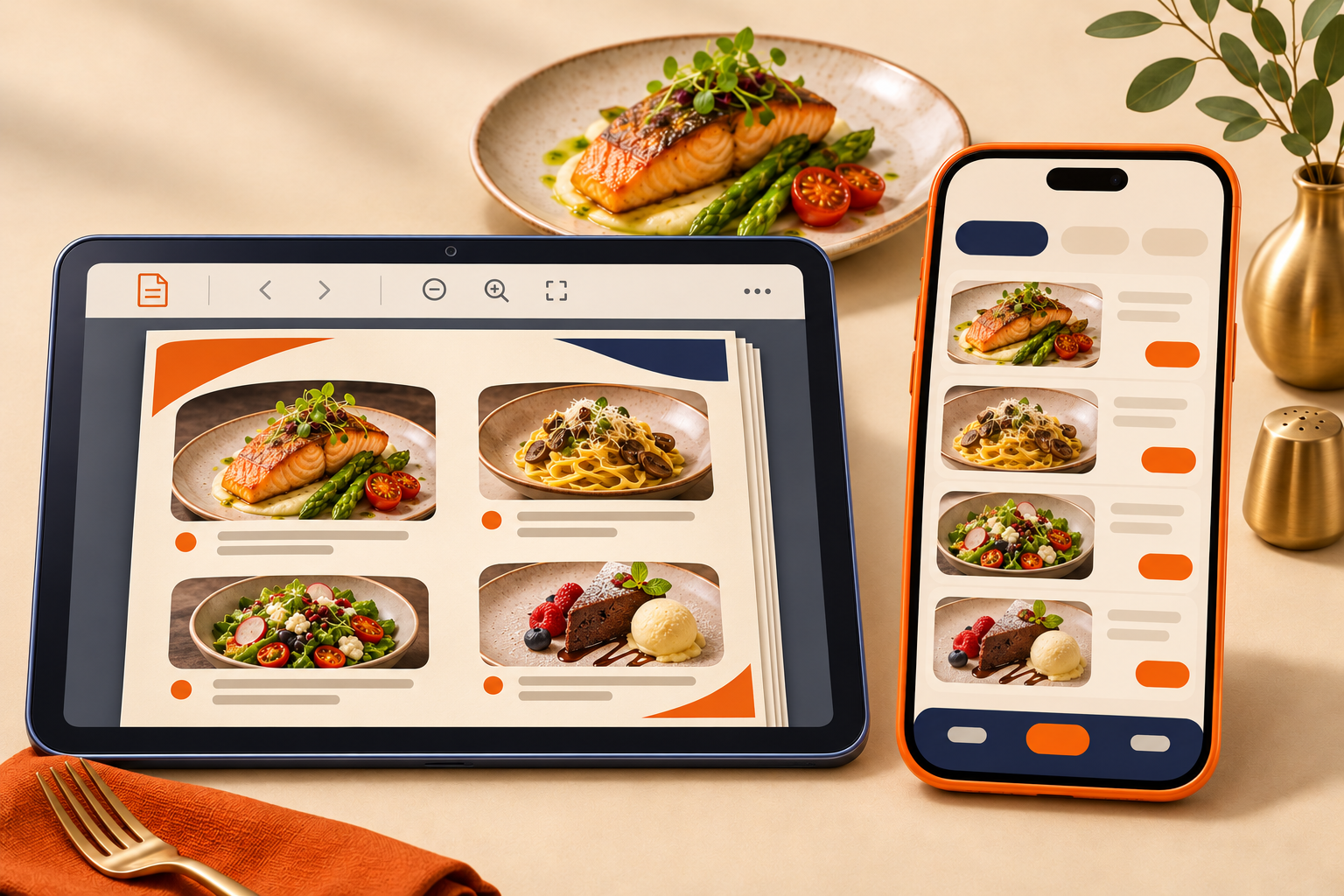
The reel can tell the story, product photographs can explain the meal, and a design asset can focus on the campaign line. The line’s visual treatment can carry the game’s character and recall the moment. Assets need not repeat the same scene, but should share a recognizable idea and personality.
Define what customers should learn from each asset and the appropriate next step. For direct-selling posts, confirm price, availability, offer contents, and ordering before publishing. Entertainment should not be the only source of product information.
04 Review the concept and define meaningful measurement
Before publishing, ask someone unfamiliar with the idea to explain the product, why the people are together, and why the last piece matters. If they remember only the game, revisit product visibility and its link to the situation. Approve the final version and information with the decision-maker.
After publication, separate viewing and engagement signals from trackable inquiries and orders. Sharing may suggest the situation is understandable, but does not establish a sales impact by itself. Extend the concept through new sharing-related situations rather than repeating the same joke indefinitely.
Explore Yoosal’s restaurant content service.